Glass Manufacturers in China Explained: Quality, Cost and Lead Times
Glass manufacturers in China play a major role in global glass production, which is why many readers search for them. People want to know how the industry works, what types of glass are made, and how to judge quality. This guide explains the basics in plain language. It is general information, not professional advice.
Key Takeaways
- China produces many glass types, from float glass to solar and automotive glass.
- Quality depends on certifications, testing records, and production methods, not just location.
- Imports into India may need to meet customs, tax, and BIS rules.
- Sample testing, factory audits, and clear specifications reduce misunderstandings during sourcing.
Related Searches
glass manufacturers in China
how does float glass manufacturing work
tempered glass vs laminated glass difference
how to check a glass factory's quality certificates
glass import rules in India explained
In This Guide
- What Are Glass Manufacturers in China and How Did the Industry Grow?
- Why Do So Many People Look Up Glass Manufacturers in China?
- What Are the Recent Trends in Chinese Glass Production?
- What Are the Rules for Importing Glass From China Into India?
- Float, Tempered, Laminated, and Insulated Glass: What Is the Difference?
- Which Tools and Resources Help Check a Glass Manufacturer?
- FAQs About Glass Manufacturers in China
- Conclusion
What Are Glass Manufacturers in China and How Did the Industry Grow?
Glass manufacturers in China are companies that produce raw glass sheets, processed glass, and finished glass products in factories across the country. The industry grew alongside rapid construction, urban development, and rising demand for packaging, appliances, and vehicles.
Production is concentrated in industrial provinces such as Guangdong, Hebei, Shandong, and Zhejiang, where raw materials, energy, and shipping routes are close together. Sand, soda ash, and limestone are the main ingredients, melted at very high temperatures.
Manufacturers fall into two broad groups. Primary producers make raw glass sheets in large furnaces, while processors cut, temper, laminate, or coat that glass into finished products. Some companies do both.
How Does Glass Manufacturing Work?
In float glass production, molten glass flows onto a bath of liquid tin, which creates a flat, smooth surface. The ribbon is cooled slowly, cut, and inspected. Tempering, laminating, or coating usually happens in separate stages afterward.
Why Do So Many People Look Up Glass Manufacturers in China?
Glass is part of daily life, from windows and phone screens to solar panels, bottles, and car windshields. When businesses, architects, and contractors need glass in large quantities, they often compare producers in different countries. China is frequently part of that comparison because of its industrial scale and wide product range.
The topic matters to several groups:
- Builders and contractors who need glass for facades, doors, and partitions
- Makers of furniture, appliances, and electronics who need glass components
- Solar project developers who use specialty glass in panels
- Small importers handling decorative or household glass items
Common everyday problems include unclear specifications, uneven quality between batches, delays at shipping and customs stages, and confusion about standards.
What Should You Check Before Choosing a Glass Manufacturer?
Useful points include business registration, quality management certification, product test reports, production capacity, and the ability to provide samples. An independent factory inspection can also help confirm what a company describes. Reading product datasheets carefully is also important, since the same product name can mean different thicknesses or grades.
What Are the Recent Trends in Chinese Glass Production?
In recent years, the industry has moved toward energy efficiency and lower emissions. Many factories have upgraded furnaces, added waste heat recovery, and used more recycled glass, known as cullet.
Demand for solar glass, low-emissivity coated glass, and glass for electric vehicles has grown. At the same time, construction demand has been uneven, which has affected production plans for some flat glass producers. Some producers have also shifted toward specialty products, such as thin glass for electronics.
Environmental oversight has also tightened. Local authorities have set capacity controls and emission limits for glass furnaces, so some older lines have been closed or modernized. Automated cutting and digital inspection are becoming more common.
What Are the Rules for Importing Glass From China Into India?
Importing glass involves several regulations, and details change over time. The points below are a general overview.
BIS Certification and Quality Control Orders
The Bureau of Indian Standards sets standards for many glass products. Certain items, such as safety glass for vehicles and buildings, may require BIS certification before entering the Indian market. The list of covered products is updated through Quality Control Orders.
Customs, Taxes, and Trade Remedies
Importers generally need an Importer Exporter Code from the Directorate General of Foreign Trade. Customs duty and Integrated GST apply to imported goods, and rates depend on the product classification code.
The Directorate General of Trade Remedies has also examined imports of some glass products from China under anti-dumping rules. Readers should check current notifications for their specific product.
Float, Tempered, Laminated, and Insulated Glass: What Is the Difference?
This table compares common glass types made in Chinese factories.
| Glass Type | How It Is Made | Common Uses | Key Feature |
|---|---|---|---|
| Float glass | Molten glass floated on tin and cooled | Windows, mirrors, base for other types | Flat, smooth surface |
| Tempered glass | Float glass heated, then cooled rapidly | Doors, shower screens, appliances | Higher strength, small fragments when broken |
| Laminated glass | Layers bonded with plastic interlayer | Windshields, facades, skylights | Holds together when cracked |
| Insulated glass | Panes sealed with a gap between | Energy-efficient windows | Reduces heat transfer |
| Coated glass | Thin metal or oxide layer applied | Solar panels, low-emissivity windows | Controls light and heat |
Specification sheets should state thickness, size tolerance, and the standard used for testing. Thickness, edge finish, and packaging method also affect how glass arrives and how it can be handled.
Which Tools and Resources Help Check a Glass Manufacturer?
Several public resources can help readers verify information:
- Bureau of Indian Standards website: product standards and certification records
- DGFT portal: Importer Exporter Code and import policy details
- ICEGATE and Indian Customs: tariff classification and duty details
- Directorate General of Trade Remedies: anti-dumping notifications
- ISO: information on quality management standards
- Trade fairs such as the Canton Fair: product displays and direct discussions
- Independent inspection companies: factory audits and product testing
These resources do not replace direct document checks. Readers can compare what a company states with official records where possible.
FAQs About Glass Manufacturers in China
Where are most glass manufacturers in China located?
Many are in Guangdong, Hebei, Shandong, and Zhejiang, close to raw materials and ports.
How do I check if glass manufacturers in China are genuine?
Review business registration, quality certificates, and test reports, request samples, and consider an independent inspection.
Is glass from China safe for buildings?
Safety depends on the specific product and its testing, not the country of origin. The product should meet the standard for its intended use.
What is the difference between float glass and tempered glass?
Float glass is the flat base product. Tempered glass is float glass that has been heat treated for greater strength.
Does imported glass need BIS certification in India?
Some products do, depending on the category. Current Quality Control Orders list the covered items.
Conclusion
Glass manufacturers in China produce a wide range of products, from basic float glass to coated and laminated types. Quality varies between factories, so certifications, test reports, and samples are common checkpoints. Importers in India also follow customs, tax, and BIS rules that can change over time. Knowing these basics helps readers read specifications and documents with more clarity.

Related Post...
China's Industrial Machinery and Equipment: A Complete Overview for Buyers
Updated: November 27, 2026
Read More
Slotting Machines: Uses, Working, Types and Industrial Applications
Updated: November 25, 2026
Read More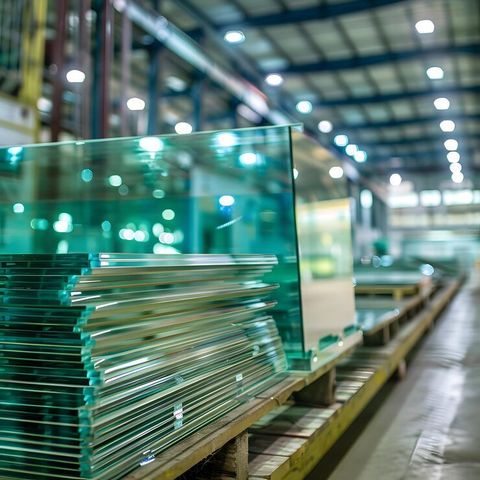
Glass Manufacturers in China Explained: Quality, Cost and Lead Times
Updated: November 27, 2026
Read More