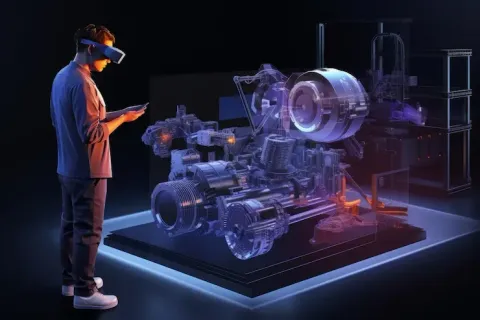
Industrial Energy Management: Methods and Benefits
Industrial Energy Management focuses on monitoring, controlling, and reducing energy consumption in industrial facilities. It helps factories understand how electricity, fuel, steam, and other energy sources are used during production. As industries adopt modern technologies, managing energy efficiently has become an important part of manufacturing operations. Understanding its methods and applications helps explain how factories can improve productivity while reducing unnecessary energy use.
Key Takeaways
Industrial Energy Management monitors energy consumption across different manufacturing operations.
Energy audits help identify equipment that consumes excessive electricity.
Smart monitoring systems provide information about industrial energy performance.
Indian energy policies encourage industries to improve energy efficiency.
Related Searches
Industrial Energy Management explained for beginners
How does industrial energy management work?
Industrial energy efficiency methods and technologies
Benefits of energy monitoring systems in factories
Energy management strategies for manufacturing plants
In This Guide
What Is Industrial Energy Management and How Does It Work?
Why Is Industrial Energy Management Important Today?
Recent Updates in Industrial Energy Management
Industrial Energy Management Laws and Policies in India
Industrial Energy Management Methods Compared
Tools and Resources for Industrial Energy Management
Frequently Asked Questions
Conclusion
What Is Industrial Energy Management and How Does It Work?
Industrial Energy Management refers to the systematic process of measuring, analysing, controlling, and improving energy consumption within manufacturing facilities. It involves monitoring electricity, natural gas, steam, compressed air, and other energy sources used in industrial operations.
The concept developed alongside industrial energy conservation efforts. As factories expanded and manufacturing equipment became more advanced, businesses needed organised methods to understand energy consumption and identify operational inefficiencies.
Main Components of Industrial Energy Management
An industrial energy management system generally includes several interconnected elements:
Energy monitoring: Measures electricity, fuel, and other energy consumption throughout a facility.
Energy auditing: Examines equipment and production processes to identify unnecessary energy use.
Performance measurement: Evaluates energy consumption against production output.
Operational control: Adjusts equipment settings and operating schedules to manage energy demand.
Continuous improvement: Reviews performance data and identifies opportunities for further efficiency improvements.
For example, a manufacturing plant may monitor electricity consumption across motors, compressors, heating equipment, and lighting systems. Comparing this information with production figures helps operators understand where energy is being used.
Why Is Industrial Energy Management Important Today?
Energy is essential for manufacturing activities, including operating machinery, processing materials, maintaining temperatures, and transporting products. Inefficient energy use can increase operating expenses and place additional pressure on industrial resources.
Industrial Energy Management helps organisations understand these patterns and make informed operational decisions. Its importance extends beyond financial considerations because energy consumption is also connected to environmental performance and resource conservation.
Everyday Industrial Problems It Addresses
Several common manufacturing challenges can be managed through organised energy monitoring.
Excessive electricity consumption: Monitoring identifies equipment that consumes more electricity than expected.
Equipment inefficiency: Regular performance checks reveal machines operating outside their normal energy requirements.
Unnecessary energy demand: Production schedules can be adjusted to reduce avoidable consumption during inactive periods.
Energy wastage: Monitoring compressed air leaks, steam losses, and heat leakage helps identify operational problems.
Unpredictable energy demand: Historical consumption records help facilities understand changing energy requirements.
Who Uses Industrial Energy Management?
Different industrial sectors apply energy management practices according to their operational requirements.
Manufacturing plants use monitoring systems to evaluate machinery consumption.
Cement factories monitor kilns, grinding equipment, and material processing.
Textile industries examine electricity and thermal energy used in production.
Food processing facilities monitor refrigeration, heating, and packaging equipment.
Chemical plants manage energy used in temperature control and industrial processing.
These practices also involve engineers, plant operators, maintenance teams, and energy managers.
Recent Updates in Industrial Energy Management
Industrial energy management is increasingly connected with digital monitoring, automation, and data analysis. Developments during 2024–2026 show growing interest in integrating energy information with manufacturing operations.
Digital Energy Monitoring
Smart meters and connected sensors allow factories to collect energy consumption information at different points. Instead of depending entirely on monthly electricity readings, operators can examine consumption patterns at shorter intervals.
Artificial Intelligence and Predictive Analytics
Artificial intelligence is increasingly being used to analyse industrial energy data. Analytical systems can identify unusual consumption patterns, estimate future demand, and highlight equipment that may require inspection.
These systems depend on reliable historical information and appropriate monitoring infrastructure. Their findings also require human interpretation before operational changes are made.
Renewable Energy Integration
Some industrial facilities are incorporating solar power and other renewable energy sources into their energy planning. Energy management systems help operators understand how electricity from different sources contributes to overall consumption.
Automated Energy Controls
Modern control systems can adjust lighting, ventilation, heating, and equipment operation according to production requirements. This reduces unnecessary operation when particular areas or machines are inactive.
Industrial Energy Management Laws and Policies in India
India has introduced several policies and programmes to encourage energy conservation and improve industrial efficiency. The Bureau of Energy Efficiency (BEE), established under the Ministry of Power, plays an important role in developing and implementing energy efficiency initiatives.
Energy Conservation Act, 2001
The Energy Conservation Act, 2001 provides the legal framework for promoting energy efficiency in India. It established the foundation for energy conservation standards, designated consumers, and institutional responsibilities.
The Energy Conservation (Amendment) Act, 2022 introduced additional provisions concerning carbon markets and energy transition measures.
Perform, Achieve and Trade Scheme
The Perform, Achieve and Trade (PAT) scheme was introduced to improve energy efficiency in energy-intensive industries.
Under this framework, designated industrial facilities receive specific energy consumption targets. Facilities that achieve additional verified energy savings may receive Energy Saving Certificates under applicable scheme rules.
Carbon Credit Trading Scheme
India's Carbon Credit Trading Scheme establishes a framework for carbon credit certificates and emissions-related targets. Its compliance mechanism connects industrial greenhouse gas emission intensity with regulatory requirements.
During the 2024–2026 period, India's industrial climate framework increasingly connected energy efficiency with emissions management.
ADEETIE Scheme
The Assistance in Deploying Energy Efficient Technologies in Industries and Establishments (ADEETIE) scheme was launched nationally in 2025 by the Ministry of Power and implemented through BEE.
It focuses on supporting micro, small, and medium industrial enterprises in adopting energy-efficient technologies through financial and technical assistance.
Industrial Energy Management Methods Compared
Different energy management methods address different operational requirements. Understanding their differences helps explain how factories monitor and improve energy performance.
Method | Main Purpose | Typical Application |
|---|---|---|
Energy auditing | Identifies energy inefficiencies | Factory inspections |
Smart metering | Measures energy consumption | Electricity monitoring |
Predictive analytics | Identifies consumption patterns | Energy forecasting |
Automated controls | Adjusts equipment operation | Heating and ventilation |
Renewable integration | Incorporates alternative energy | Solar-powered facilities |
Energy management systems | Coordinates energy information | Plant-wide monitoring |
How These Methods Work Together
Factories often combine several approaches rather than depending on one method. Smart meters collect consumption information, energy audits identify inefficiencies, and automated controls help manage equipment operation.
For example, an energy management platform may receive information from electricity meters and industrial controllers. Operators can then compare energy consumption across production departments and investigate unusual changes.
Tools and Resources for Industrial Energy Management
Industrial energy management involves specialised software, monitoring equipment, and technical frameworks. These resources help organisations measure energy consumption and understand operational performance.
Common Industrial Energy Management Tools
ISO 50001: An international standard that establishes requirements for energy management systems.
EnergyCAP: A platform used for energy accounting, tracking, and reporting.
Schneider Electric EcoStruxure: A digital platform covering industrial energy monitoring and management.
Siemens SIMATIC Energy Management: Software used to monitor and analyse manufacturing energy consumption.
Microsoft Excel: Supports energy calculations, consumption records, and performance comparisons.
Useful Technical Resources
The Bureau of Energy Efficiency provides information about Indian energy conservation programmes, industrial efficiency guidelines, and regulatory frameworks.
The International Energy Agency publishes information about industrial energy consumption, efficiency policies, and global energy developments.
These resources help students, engineers, researchers, and industrial managers understand energy management concepts and practices.
Frequently Asked Questions
1. What Is Industrial Energy Management?
It is the process of monitoring, analysing, and controlling energy consumption within industrial facilities to improve efficiency.
2. How Does Industrial Energy Management Work?
It uses meters, sensors, audits, and analytical systems to understand energy consumption and identify operational inefficiencies.
3. What Are the Benefits of Industrial Energy Management?
It helps reduce unnecessary energy consumption, improve equipment performance, support production planning, and monitor environmental performance.
4. What Is ISO 50001 in Industrial Energy Management?
ISO 50001 is an international standard that provides a structured framework for establishing and improving energy management systems.
5. Which Industries Use Industrial Energy Management?
Manufacturing, cement, textiles, chemicals, food processing, steel, and other energy-intensive industries use these practices.
Conclusion
Industrial Energy Management plays an important role in understanding and controlling energy consumption across manufacturing facilities. Energy audits, smart meters, automation, and digital monitoring systems help industries evaluate their operational performance. Indian policies also encourage energy conservation through regulatory frameworks and industrial efficiency programmes. Together, these developments connect energy management with manufacturing productivity, resource conservation, and environmental responsibility.

Related Post...


Industrial Cybersecurity: Discover Key Threats and Safety Measures
Updated: November 28, 2026
Read More