Gum Disease Treatment: Causes, Symptoms, Procedures & Prevention
Gum disease is a common oral health condition that affects the tissues surrounding and supporting the teeth. It usually develops when plaque, a sticky layer of bacteria, accumulates along the gumline. If plaque is not removed regularly, it can harden into tartar and contribute to inflammation, infection, and damage to the supporting structures of the teeth.
Gum disease generally develops in two main stages: gingivitis and periodontitis. Gingivitis is the early stage, characterized by redness, swelling, and bleeding gums. At this stage, the condition can often be reversed with appropriate dental care and improved oral hygiene.
Periodontitis is a more advanced condition. It occurs when inflammation spreads deeper into the tissues supporting the teeth. Over time, it can damage the connective tissue and jawbone, potentially causing loose teeth or tooth loss.
Gum disease treatment focuses on controlling bacterial plaque, reducing inflammation, protecting the supporting bone, and maintaining long-term oral health. The appropriate approach depends on the severity of the condition and the patient's overall dental health.
Why Gum Disease Treatment Matters Today
Gum health is an important part of overall health. Although gum disease can affect people of different ages, its likelihood generally increases with age and exposure to risk factors.
According to the World Health Organization, severe periodontal diseases affect more than one billion people worldwide. These conditions can interfere with eating, speaking, and everyday comfort.
Several factors contribute to the development of gum disease:
- Poor oral hygiene: Irregular brushing and inadequate cleaning between teeth allow plaque to accumulate.
- Tobacco use: Smoking and chewing tobacco increase the risk of gum problems and can interfere with healing.
- Diabetes: Poorly controlled blood glucose can increase susceptibility to periodontal inflammation.
- Hormonal changes: Pregnancy and certain hormonal changes can make gums more sensitive.
- Genetics: Some individuals have a higher susceptibility to periodontal disease.
- Certain medications: Some medicines can affect gum tissue or reduce saliva production.
Early diagnosis matters because untreated gum disease can lead to persistent inflammation, gum recession, bone loss, tooth sensitivity, and eventual tooth loss.
Treatment also helps address problems such as bleeding gums, persistent bad breath, gum tenderness, and difficulty maintaining oral cleanliness.
Maintaining healthy gums is particularly important for older adults, people with diabetes, tobacco users, and individuals with a history of periodontal problems.
Common Gum Disease Treatment Methods
The treatment approach depends on whether the condition is gingivitis or periodontitis.
Professional dental cleaning
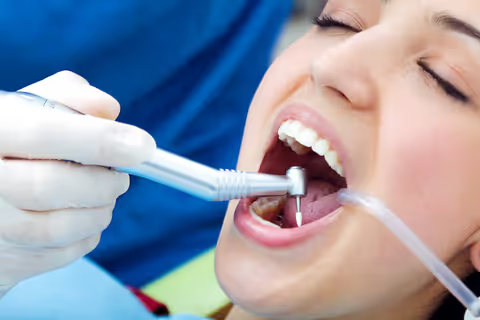
A dentist or dental hygienist may perform professional cleaning to remove plaque and tartar from tooth surfaces. This procedure is commonly recommended when deposits accumulate around the gumline.
Scaling and root planing
Scaling and root planing is a common non-surgical periodontal treatment.
- Scaling removes plaque and hardened tartar from tooth surfaces and beneath the gumline.
- Root planing smooths the affected root surfaces to help reduce bacterial deposits and support gum healing.
This procedure is frequently used to manage periodontitis.
Medication for gum infections
In selected cases, a dentist may recommend antimicrobial treatment as an additional measure. Depending on the condition, this may involve a locally applied antimicrobial product or prescribed medication.
Antibiotics are not necessary for every gum infection and should only be used when clinically appropriate.
Periodontal surgery
Advanced periodontal disease may require surgical treatment when non-surgical methods are insufficient.
Possible procedures include:
- Flap surgery to access deeper deposits.
- Bone grafting to address certain areas of bone loss.
- Guided tissue regeneration in selected cases.
- Soft tissue grafting to address gum recession.
The dentist or periodontist determines the appropriate procedure after examining the gums, teeth, and supporting bone.
Comparison of Gum Disease Stages and Treatment
| Condition | Common

Related Post...
Root Canal Treatment: Procedure, Benefits, and Recent Advances Explained
Updated: November 24, 2026
Read More
Gum Disease Treatment: Causes, Symptoms, Procedures & Prevention
Updated: November 25, 2026
Read More